Card Printing Technology;

Plastic cards are prevalent in our daily lives, such as

  • Payment cards.
  • Driver’s licenses.
  • Membership cards.
  • Employee identification badges.

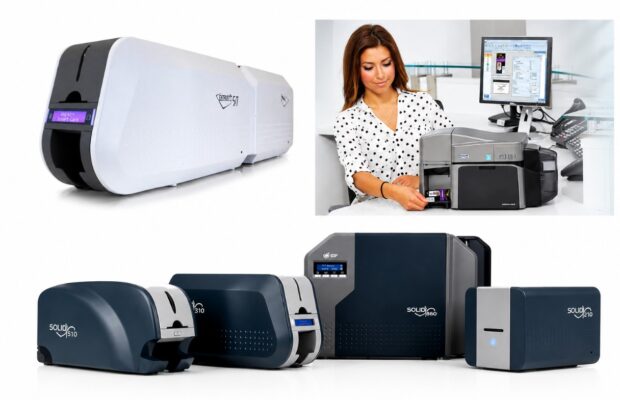
Their standard size, portability, and durability make them the ideal choice for many applications. Card printers let you print customised, secure, and cost-effective cards on demand. Cards can be printed in colour or monochrome and can be encoded with multiple features, such as magnetic stripes or RFID, to extend their use from highly secure employee IDs.
Colour Printing.

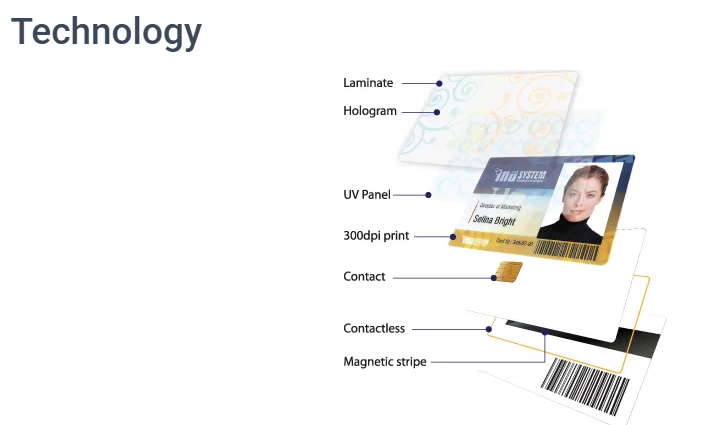
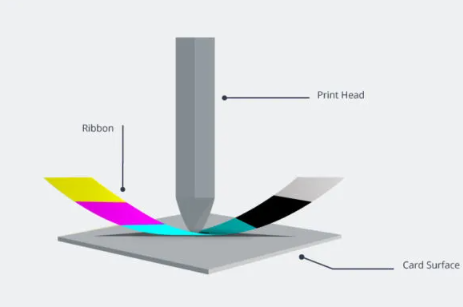
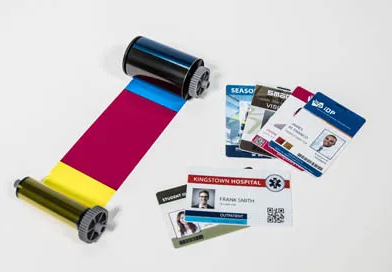
Colour printing used a colour ribbon composed of yellow, magenta, and cyan panels. The plastic card is passed through a thermal print head together with colour panels. The colour from the panel is then transferred onto the cards by heat from the print head. The standard performance for card printing is 300dpi (300 dots per inch, equivalent to 11.8 dots per mm). This process enables optimization of the excellent quality of printed images and logos.

Monochrome Printing.

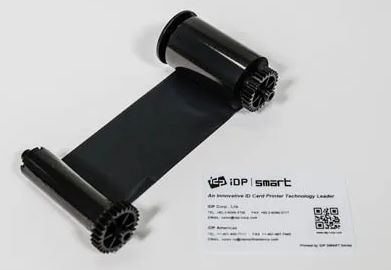
Monochrome printing uses a single colour, such as black, white, blue, red, gold, or silver.

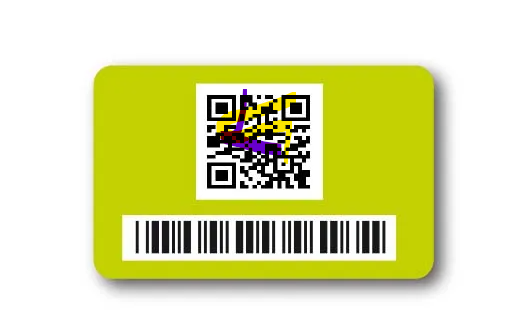
This is the most cost-effective method to personalize with pre-printed cards. It is the ideal solution for card printing when a colour picture is not required. Monochrome is often used to print barcodes.


For Further Reading.

The basic principle of a card printer is that a plastic card (normally PVC) is passed through a thermal printer head and a colour ribbon simultaneously. Heat from the printer head transfers the colour from the ribbon onto the card. SMART uses 2 different printing processes: Thermal transfer and Dye sublimation

Thermal Transfer
The thermal transfer process is mainly used to personalize pre-printed plastic cards in monochrome. The color is “transferred” from the monochrome (black, “gold, silver, red, blue, white, etc.) ribbon onto the card.

Dye Sublimation
The dye sublimation process uses four panels – CMYK color ribbon. During printing, the plastic card passes under the thermal print head several times,s and each time with the corresponding ribbon panel. Each color (Cyan, Magenta, Yellow, Black) is sublimated directly onto the plastic card. In this way, it is possible to produce a high depth of color (up to 16 million shades) on the card. In the final step of printing, a transparent overlay (O) is placed over the card to protect it from mechanical wear and tear and render the printed image UV-resistant.


Plastic Card Printing

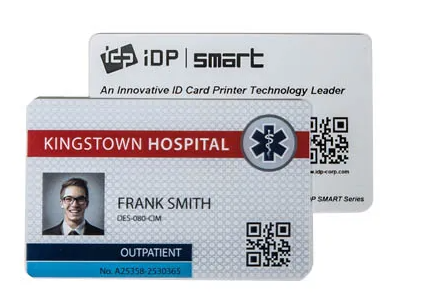
Plastic cards are prevalent in our daily lives, such as payment cards, driver’s licenses, membership cards, and employee identification badges. Their standard size, portability, and durability make them the ideal choice for many applications.

Monochrome printing uses a single colour, such as black, white, blue, red, gold, or silver.

This is the most cost-effective method to personalize with pre-printed cards. It is the ideal solution for card printing when a colour picture is not required. Monochrome is often used to print barcodes.

UV Panel

A UV panel is an advanced security panel that displays a fluorescence image under UV light. It is a cost-effective, easy way to protect against fake cards.

Rewritable

In the rewritable process, the card is not personalized with ribbon but by activating a thermochromic foil covering the surface of the plastic card. These cards can be repeatedly erased and rewritten for personalization. The most frequent usage of this function is temporary visitor passes, bonus point cards, etc.

Lamination

Lamination uses polyester film on a card’s surface to protect it from heat, pressure, wear, and tear, and to resist adhesive materials. The film is applied to the card at a high temperature. SMART-SL has several unique features.

Encoding

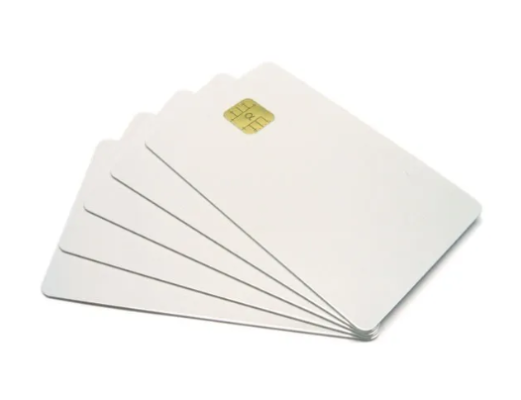
Encoding is an important function in an ID card printer. We issue ID cards not only for visual identification but also to store information. Especially for financial purposes, sensitive information is stored on cards. There are three major encoding methods: magnetic stripe, contact ID, and contactless IC. SMART ID card printer offers a wide range of encoding options, along with high-quality printing.

Direct Printer versus ReTransfer Printer

Difference between Direct Printer (SMART) versus ReTransfer Printer (WISE)